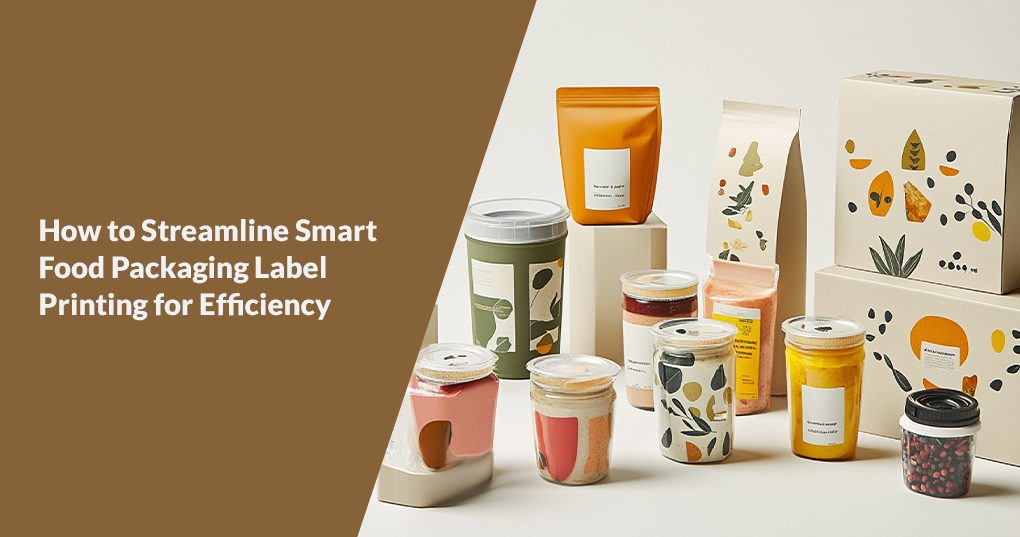
How to Streamline Smart Food Packaging Label Printing for Efficiency?

As brands transition from static information to dynamic data, the demand for smart food packaging labels has surged. These advanced labels, incorporating QR codes, RFID tags, and NFC technology, do more than just sit on a shelf; they track freshness, ensure safety, and engage customers in real-time.

However, moving from standard designs to high-tech applications can create bottlenecks in production. To maintain a competitive edge, businesses must understand how to refine their processes. Working with a professional custom food label printing company is no longer just an option; it is a strategic necessity for operational excellence.

What Are Smart Food Packaging Labels and Why Do They Matter?

Smart packaging is the integration of technology into physical labels to provide functions beyond basic product identification. These labels serve two primary purposes:

  • Active Functions: Monitoring the condition of the food (temperature, gas levels, or freshness) to extend shelf life.
  • Intelligent Functions: Communicating information to the consumer or the supply chain, such as origin tracking through custom sticker & label printing with embedded 2D barcodes.

Simplifying The Design Process for Complex Labels

One of the biggest hurdles in streamlining production is the design-to-print gap. Smart food packaging labels often require precise placement of digital elements like QR codes or sensor-friendly materials.

  • Adopt Modular Design: Instead of redesigning every label from scratch, use templates that allow for variable data insertion. This is essential for batch numbers and expiration dates.
  • Integrate Regulatory Compliance Early: Ensure your design includes all mandatory nutritional facts and allergen warnings as per local laws. A specialized custom food label printing company can assist in ensuring your artwork meets legal standards before the first batch is printed.
  • Use Digital Prototyping: Skip physical proofs where possible. High-fidelity digital mockups allow you to visualize how a custom sticker & label printing job will look on different materials like glossy paper or clear film.

Technology Role in Streamlining Print Runs

To achieve maximum efficiency, the printing technology must match the complexity of the label.

  • Variable Data Printing (VDP): This allows for the mass customization of labels within a single print run. Each label can have a unique QR code or serial number without stopping the press.
  • Automation Software: Connect your ERP (Enterprise Resource Planning) system directly to the printer. This removes manual data entry, which is the leading cause of misprints in the food industry.
  • Advanced Machinery: Utilizing high-speed digital presses allows for faster turnaround times on both small and large batches, ensuring that your smart food packaging labels are ready exactly when your production line needs them.

How to Select the Right Materials for Smart Labels?

Durability is just as important to efficiency as speed. It might be necessary to relabel the entire batch if a label fails in a refrigerated setting. 

  • Temperature Resistance: For frozen or chilled foods, choose materials like white film or metallized paper that can withstand moisture and extreme cold.
  • Adhesive Precision: The adhesive must be selected based on the packaging surface, whether it’s a cardboard box, a glass jar, or a plastic pouch.
  • Sustainability Trends: Moving toward 2026, Gen Z and eco-conscious consumers demand recyclable or biodegradable materials. Streamlining your material choice to include sustainable options helps future-proof your brand against shifting regulations.

Why is Working with a 360-Degree Labeling Partner Beneficial?

Managing multiple vendors for design, material sourcing, and printing creates friction. A one-stop custom food label printing company like Stars Labels streamlines the entire workflow:

  • In-house Artwork & Design Studios: Having designers who understand the technical limitations of printing ensures that what you see is what you get.
  • 24/7 Production Facilities: Continuous operation means your custom sticker & label printing orders are processed without delay, even during peak seasons.
  • Logistics & Dispatch: Integrated logistics ensure that the finished labels are delivered directly to your facility, ready for application.

How to Ensure Quality Control in High-Speed Printing?

Speed should never come at the expense of accuracy. In the food industry, a single error in an allergen list can lead to costly recalls.

  • Automated Inspection Systems: Modern printers use AI-driven cameras to scan labels in real-time, flagging any smudges or data errors instantly.
  • Standardized Testing: Ensure every batch undergoes rigorous quality checks for color consistency, adhesive strength, and scannability of digital codes.
  • Machine vs. Hand Application: Design your labels to be compatible with automated labeling machines. This significantly reduces the time spent in the packaging phase of your production line.

Partner with the Experts at Stars Labels

Streamlining your smart food packaging labels is not just about faster machines; it is about an integrated approach to design, material selection, and technology. By reducing manual touchpoints and embracing automation, you can ensure that your products are not only compliant and informative but also highly efficient to produce.

Stars Labels offers 360-degree solutions, from in-house design to 24/7 production and logistics. Whether you need a simple custom sticker & label printing job or a complex smart labeling system, we have the expertise and advanced technology to bring your vision to life.

FAQs

  1. What is the difference between a standard label and a smart label?

A standard label provides static text and graphics. A smart label includes technology like QR codes, NFC, or RFID to provide interactive data, such as real-time tracking, freshness indicators, or digital coupons.

  1. Can I use smart labels on frozen food products?

Yes, but you must choose specialized materials. Labels for frozen foods use moisture-resistant films and cold-temp adhesives to ensure they do not peel or smudge in sub-zero temperatures.

  1. How does variable data printing (VDP) improve efficiency?

VDP allows you to print different information on each label in a single continuous run. This eliminates the need for separate setups for every SKU, saving time and costs.

  1. Are smart labels eco-friendly?

Many smart labels can be made using sustainable materials. By working with a forward-thinking custom food label printing company, you can choose biodegradable films and recyclable paper options.

  1. How do I ensure my smart labels are compliant with food laws?

Compliance is handled by ensuring all mandatory information is clearly legible and accurately placed. Professional printers like Stars Labels stay updated on regional regulations to help brands remain compliant.
Related News

  • Label & Sticker Printing Issues Every Brand Faces and How Manufacturers Prevent Them

    Labels play a major role in how customers see a product. A label provides product information which establishes brand recognition and makes a specific product stand out

  • What Are Best Practices for Cosmetic Label Design for Beauty Brands?

    When it comes to the launch of your beauty or skincare product, your product may be perfect, your packaging stylish, but there is one thing that can make or break your

  • What Makes Lubricant Label Printing Manufacturers Reliable? A Practical Checklist

    Hiring the services of reliable lubricant label printing manufacturers

  • How to Choose the Right Label & Sticker Printing Company for Your Business?

    Labels and stickers do more than just display product information, they help existing or new customers recognize the brand and assists in building long-term relationshi

Get in touch with us

    phone phone STAR PRESENTATION