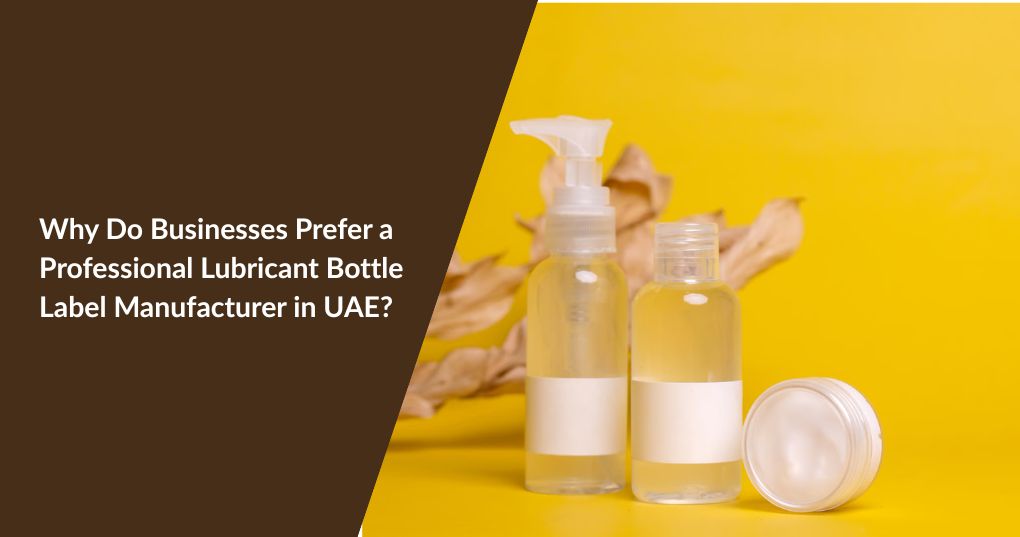
In the fast-paced automotive and industrial sectors of the UAE, a product label is more than a sticker; it reflects brand credibility, quality, and professionalism. Lubricant products face extreme conditions like heat, chemicals, and machinery, requiring labels that are durable, legible, and resistant to wear.
Partnering with a professional lubricant label printing manufacturer ensures labels withstand oil, heat, and mechanical stress while communicating clearly. High-quality labels protect your brand, build user confidence, ensure compliance, and make products stand out, influencing how distributors, retailers, and end users perceive them.
Unlike standard product labels, lubricant bottle labels face unique challenges. Ordinary labels may work on paper or light plastic packaging, but lubricant labels need to endure extreme conditions without losing their functionality or aesthetic appeal.
Key requirements include:
Meeting these needs requires specialized substrates, precise printing processes, and professional finishing techniques. General-purpose label printers may not consistently achieve the necessary durability, adhesion, or print clarity, risking both product perception and regulatory compliance.
Lubricant manufacturers rely on professionally printed labels because they combine durability, compliance, and visual appeal. A high-quality printed adhesive label ensures that the product looks professional while remaining functional throughout its lifecycle, from manufacturing and distribution to end-use in workshops or industrial sites.
This is why the use of printed adhesive labels for lubricants is widespread across retail packaging, where durability and clarity are essential.
Primary reasons businesses choose professional labels include:
Investing in professionally printed labels ensures your product is perceived as high-quality, reinforcing brand trust even before the product is used. Conversely, poorly printed or peeling labels can create doubts about the product quality, regardless of the formulation inside.
The ideal time to work with a professional label manufacturer is before production begins, not after issues arise. Early collaboration ensures that design, compliance, and production requirements are integrated from the start, saving both time and cost.
Businesses should consult a professional manufacturer when:
A professional manufacturer provides end-to-end services, including design proofing, artwork finalization, material selection, printing, quality checks, finishing, and dispatch, making the labeling process seamless for manufacturers.
A professional label manufacturer brings together advanced technology, material expertise, and systematic production processes that generic suppliers cannot match.
Their process typically includes:
This structured approach guarantees that the label performs under real-world conditions while maintaining a professional appearance.
Stars Labels is a trusted partner for businesses, serving the automotive, industrial, and commercial sectors. We understand that a lubricant label is not just packaging; it is a direct reflection of your brand’s quality and credibility.
Our key strengths include:
Whether you need retail-ready labels for small bottles or industrial labels for bulk containers, we manage the process end-to-end, from proofing to final delivery.
The choice of manufacturer significantly affects how a lubricant product performs in the market. A professional partner ensures the right substrate, adhesive, and printing technology are used, guaranteeing durability and visual appeal for your custom sticker labels printing.
Our team helps you choose the right substrate for your bottle and usage conditions, ensuring strong adhesion and durable print performance against heat, oils, and chemicals. We customize labels for all container types and add security features if needed.
Connect with us today to discuss your requirements, request a sample, or get a custom quote tailored to your lubricant product range.
Q1. What materials are used for lubricant bottle labels?
Lubricant labels are commonly printed on PP, PE, or PET filmic substrates, offering chemical resistance, flexibility, and strong adhesion.
Q2. Can labels be applied to round or irregular bottles?
Yes. Flexible wraparound labels are specifically designed for curved or contoured bottles, maintaining adhesion and visual clarity.
Q3. Which printing process is ideal for lubricant labels?
Flexographic printing is preferred for high-volume production, vibrant colour output, and compatibility with various filmic materials. Offset printing is also used for high-resolution designs.
Q4. How can I ensure compliance with safety and regulatory standards?
A professional label manufacturer guides you in including safety warnings, viscosity grades, batch codes, and barcodes, ensuring compliance with UAE, GCC, and international standards.
Q5. What is the minimum order quantity?
Minimum order quantities vary, but reliable manufacturers offer flexible order sizes suitable for startups and large-scale industrial brands.
In today’s competitive market, outdoor products are expected to handle harsh environmental conditions, while still looking professional and attractive. Whether its in
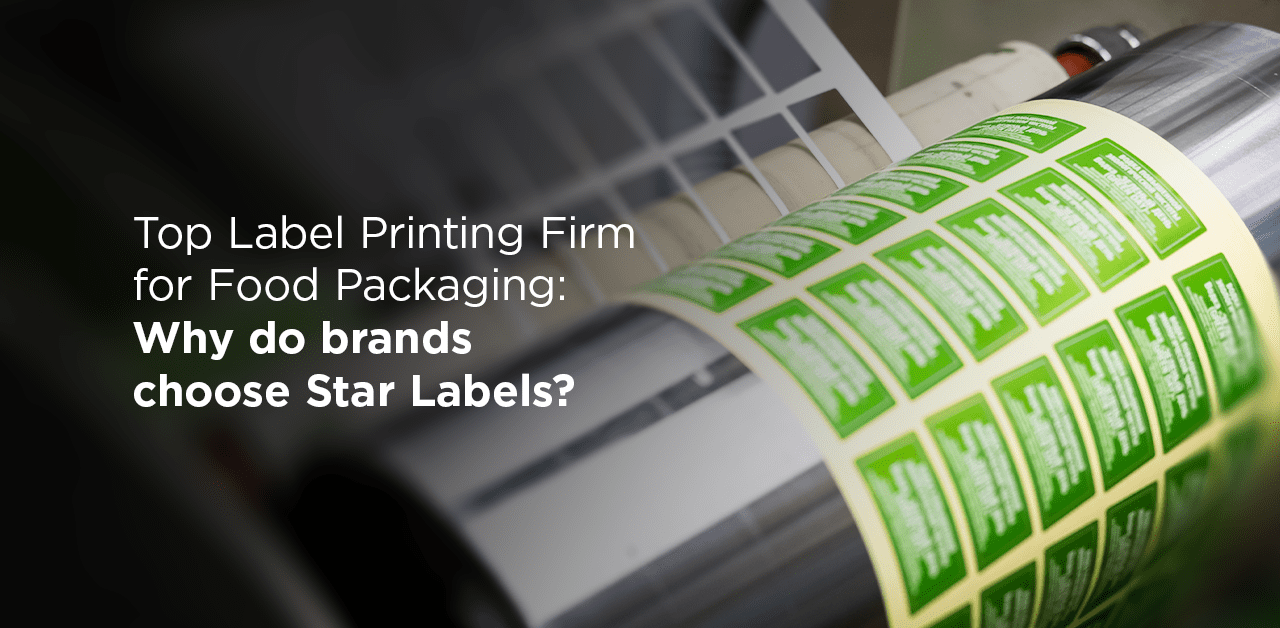
Packaging does more than just protect goods, in the competitive food market today, it also boosts brand recognition, kind of pulls customers in, and builds confidence.
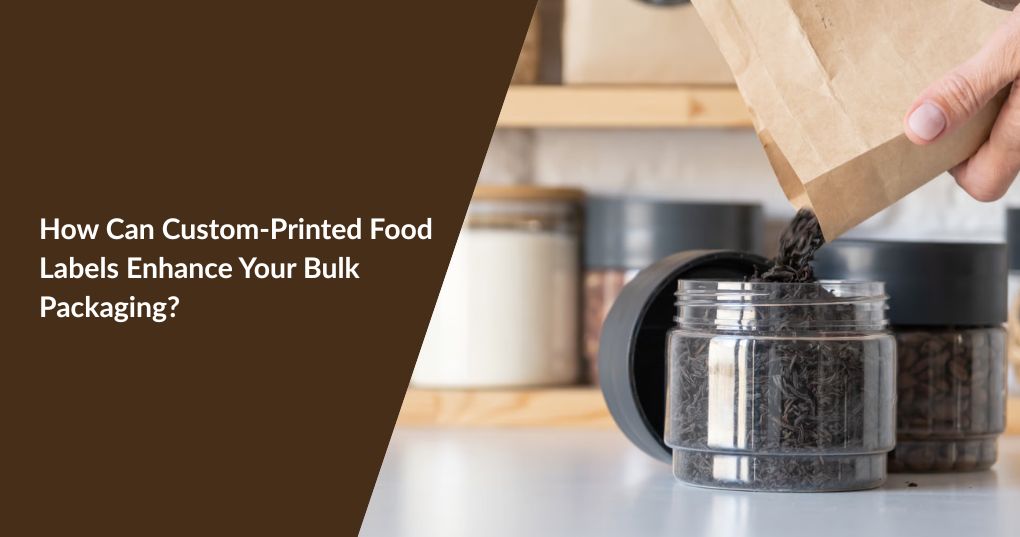
When it comes to large-scale packaging, the label on your product does more than just display information. It builds trust, drives visibility, and keeps your brand cons
If you are in the lubricants business, you already know that a label does far more than just sit on a bottle. It communicates brand identity, product specifications, an


 STAR PRESENTATION