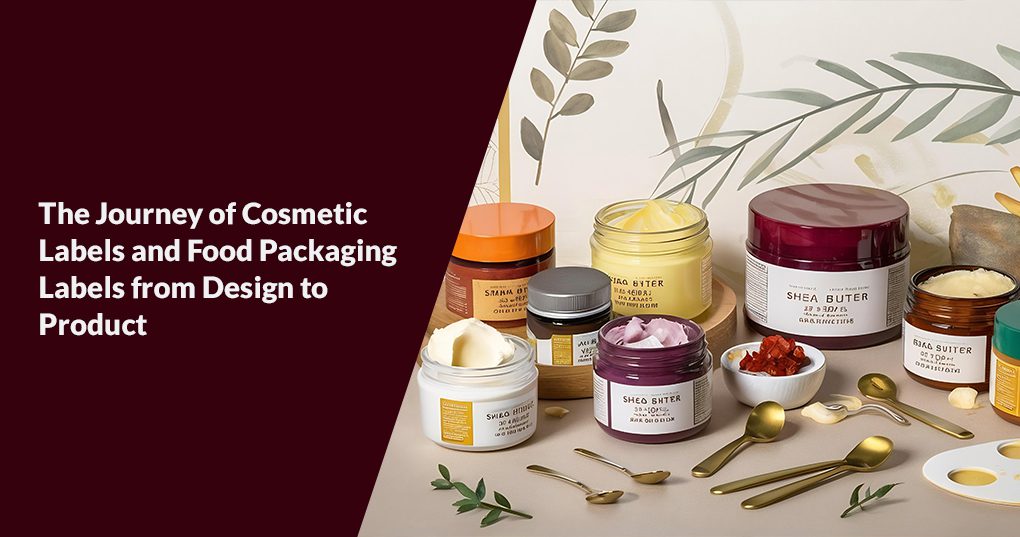
The journey of cosmetic labels and food packaging labels is not just creative but authentic. In the competitive market, every brand wants to stay at the top of the mind, and the journey begins with designing eye-appealing labels that not just protect the product but also capture attention. It’s a silent storyteller that communicates a brand’s personality and values at first glance. Whether it’s a sleek cosmetic bottle or a well-packed food container, the journey from design to product defines how a consumer connects with your brand.
In this blog, we will learn how cosmetic label printing and maker labels for cosmetic packaging and food packaging label maker and food service solutions develop from creative ideas to high-quality printed products, and how thoughtful design and material choices impact the minds of customers.
A label is the first impression, and in business, first impressions count. It not only attracts attention but also informs, persuades, and reassures. Through a premium quality crafted label, the brand reflects their quality, professionalism and ensures every customer has relevant information about the product.
According to research by Nielsen, nearly 64% of consumers try a new product because its packaging caught their attention. This proves that labels have a direct impact on purchase decisions, particularly in industries like cosmetics and food, where competition is high and shelf appeal matters.
Cosmetic packaging is synonymous with aesthetics and elegance. But it’s not just about beauty, it’s about trust, compliance, and user experience. The process of cosmetic label printing and maker labels for cosmetic packaging involves a deep understanding of materials, finishes, and product requirements.
Every surface, glass, metal, or plastic, requires a specific adhesive and finish. A skincare product with oil exposure, for instance, demands waterproof materials, while luxury perfumes may require metallic or embossed finishes.
Designers focus on maintaining brand harmony through typography, colours, and layout. Elements like font readability, brand logo placement, and minimal yet elegant detailing help elevate the brand’s appeal.
Different products require different types of labels:
These materials are chosen not just for visual appeal but also for their durability and compatibility with the product’s use conditions.
In the food industry, labels carry a crucial responsibility as they communicate transparency and build trust. For product-related information, most customers rely on labels.
Effective food packaging label makers and food service solutions strike a balance between creativity and compliance. Food labels must display essential details such as nutrition facts, allergens, expiration dates, and manufacturer information, all clearly visible without compromising design.
Food labels must withstand moisture, temperature changes, and handling. Commonly used materials include:
Colour psychology and design elements play an important role. For example, green tones can imply freshness and health, while bold colours create excitement around gourmet or snack items. The goal is to make packaging both compliant and compelling.
Behind every striking label lies cutting-edge printing technology. The type of printing determines the final look, texture, and durability.
Each method is chosen based on material type, label quantity, and design complexity, ensuring the right balance of quality and budget.
The journey doesn’t end with printing. Every batch undergoes multiple checks to ensure it performs well under different conditions:
High-quality control at every stage ensures that your product label not only looks professional but also remains durable throughout its shelf life.
Modern consumers are conscious about sustainability, and brands are following suit. Many label makers are adopting eco-friendly practices to reduce their carbon footprint and appeal to green-minded audiences.
Some sustainable innovations include:
By integrating sustainability into label production, brands can strengthen their reputation while contributing positively to the environment.
The food and cosmetic labelling industry is expected to grow more in the coming years. Seeing this growth, brand owners look for a reliable cosmetic and food labels partner who can deliver innovative, precise, and durable label printing solutions.
Among many, Stars Labels is one of the renowned names in the label printing industry, offering the best label printing solution. For every type of brand, we have the right printing solution that meets their brand USP, product features and trends. We use different types of materials, design finishes, and printing techniques, ensuring labels that truly match a brand’s character.
From concept sketches to the finished product, every stage of label creation contributes to how your brand is perceived. Whether it’s cosmetic label printing and maker labels for cosmetic packaging or reliable food packaging label maker and food service solutions, thoughtful label design bridges the gap between product and customer trust.
If you’re ready to create packaging that speaks for your brand, explore the professional labeling solutions by Stars Labels, where precision, creativity, and quality meet.
Why are labels so important in the cosmetic and food industries?
Labels are crucial because they create the first impression of a product, attracting attention, informing consumers, and building trust.
What factors are considered when designing cosmetic labels?
Cosmetic label design focuses on luxury and functionality. This involves understanding the product and packaging surface (e.g., glass, metal, plastic) to select appropriate adhesives and finishes.
What types of materials are used for cosmetic labels?
Common materials include vinyl labels for durability and moisture resistance, transparent labels for a seamless “no-label” look, and metallic foil labels for a luxurious sheen on high-end products.
What materials are typically used for food packaging labels?
Materials vary based on the product. Paper labels are used for dry goods, BOPP (Biaxially Oriented Polypropylene) labels for items like sauces and frozen foods due to their water resistance, and removable labels for reusable containers.
What technologies are used in label printing?
Different printing technologies like digital printing, flexographic printing, and screen printing are used in label printing depending on the production scale and desired outcome.
In today’s competitive market, outdoor products are expected to handle harsh environmental conditions, while still looking professional and attractive. Whether its in
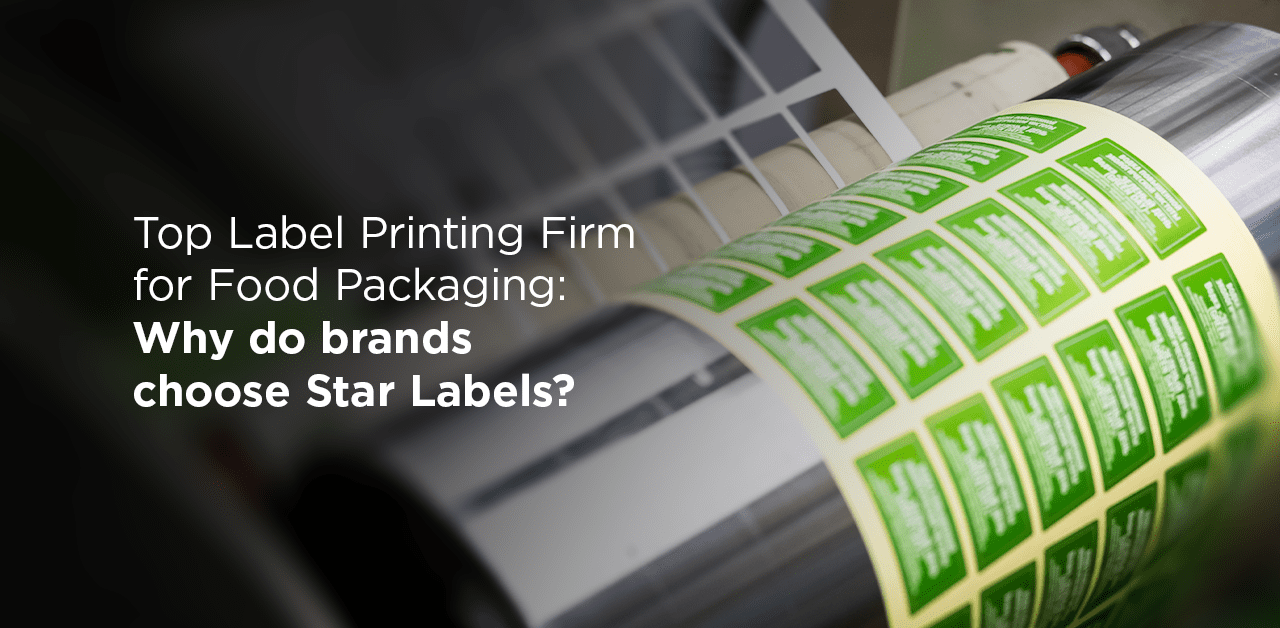
Packaging does more than just protect goods, in the competitive food market today, it also boosts brand recognition, kind of pulls customers in, and builds confidence.
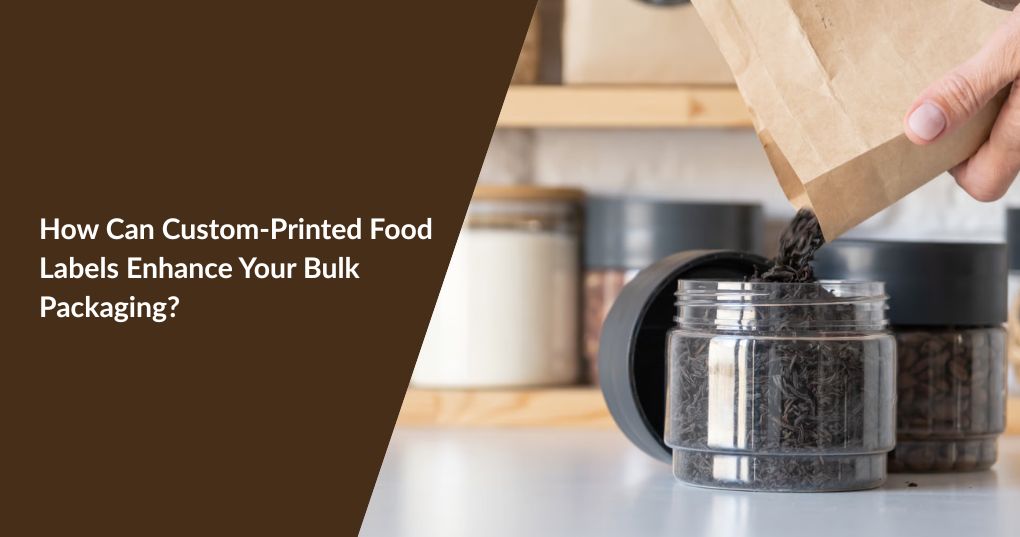
When it comes to large-scale packaging, the label on your product does more than just display information. It builds trust, drives visibility, and keeps your brand cons
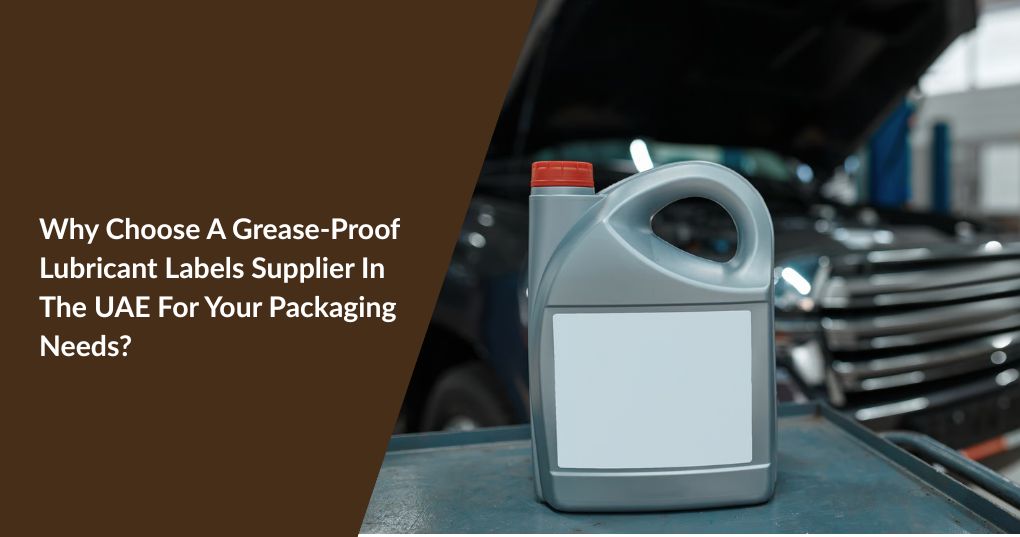
If you are in the lubricants business, you already know that a label does far more than just sit on a bottle. It communicates brand identity, product specifications, an


 STAR PRESENTATION